01Where this advice is coming from
Most posts about earning money with AI fall into two categories. The first is generic hype that sounds like it was written by someone who has never built anything. The second is too narrow, written by someone with one specific niche who pretends their path is universal.
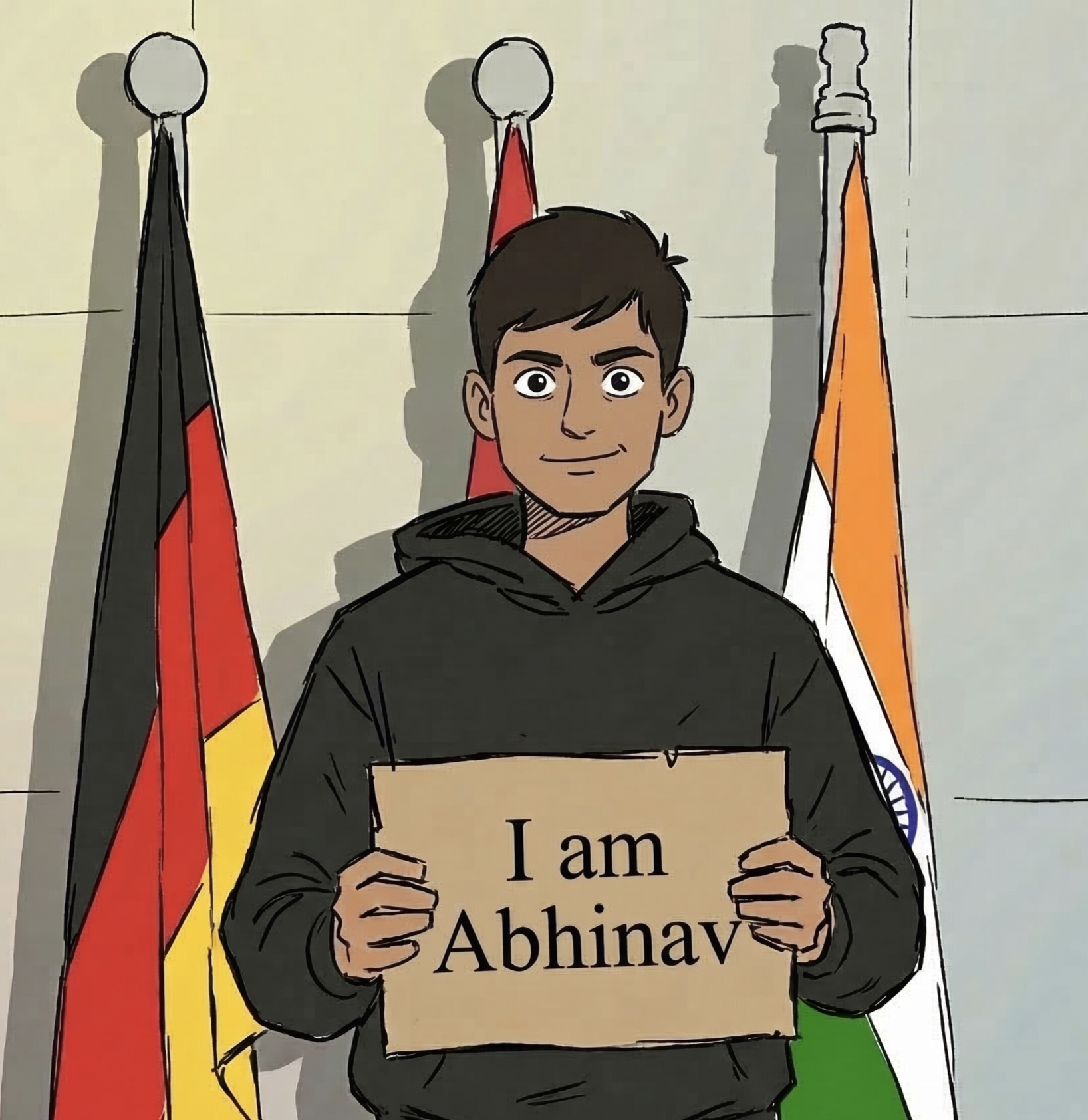
My background is closer to the second category, so let me be upfront about it. I work full-time as a senior engineer at a political tech company in India, building multi-LLM platforms in production. I also run a Hindi animation page called @9_face_toon with around 40K followers each on Instagram and YouTube. The Instagram side is the one that actually earns real money, mostly through brand-deal style sponsored content, not through stock-video uploads or passive plays.
What I have not personally done is the stuff people sell as easy AI passive income: faceless YouTube channels, AI-written ebooks, AI dropshipping, stock image uploads. I am not against them in principle, but I have no first-hand income data to share on those, so I am skipping them. The paths below are either things I do, or things I have watched other creators and developers do successfully from up close.
021. Freelance AI development for businesses that need integrations
This is the closest match to my own side income outside the full-time job. Small and mid-sized companies in India have a real backlog of work that needs an AI integration but does not justify hiring a full engineer for it. WhatsApp automation, internal AI tools, content pipelines built on top of Gemini or GPT, RAG-based search on their own documents, automated reporting and data clean-up scripts.
If you can write Python or JavaScript at a working level and you understand how to call an LLM API, there is honest money in delivering small, focused integrations. A WhatsApp bot for a coaching centre. A FAQ chatbot trained on a company's own policies. A script that turns a folder of PDF invoices into a structured spreadsheet. These projects are usually quoted in the 25,000 to 1.5 lakh rupee range depending on scope, and they are completable in days or weeks rather than months.
Where to start: not freelance marketplaces. Start with people you already know who run a small business, a YouTube channel, or a clinic. Offer a free first integration that solves something they already complain about. The next two clients tend to come from referrals, not from cold pitches on Upwork.
032. Content + brand deals on a niche channel
@9_face_toon earns most of its revenue from Instagram brand deals. Animation content, in Hindi, with a clear style. The pattern that has worked is to pick a specific niche, post consistently for at least a year, and let brand partnerships find you once the audience is real.
AI tools help here, but they are supporting actors. CapCut for editing and Hindi captions. ElevenLabs for placeholder voice or short narration. Gemini for thumbnail iteration. The core content is still your idea, your script, and your craft. AI does not produce the kind of consistent character animation that actually builds a loyal audience over time.
The honest version of this path is that the first six to twelve months feel like nothing is happening, and then suddenly it does. The biggest mistake I see is people changing direction every three months because growth feels slow. Pick a niche, stay in it, get good at one specific style of content. Brand deals follow once there is a clear identity.
043. Video repurposing for creators and small businesses
Creators with long-form content rarely have time to cut their own short-form clips. Tools like CapCut, Descript, and Opus Clip have made it possible for one person to turn a one-hour podcast into ten short reels in an afternoon.
The service offer here is concrete: take someone's existing long-form content and produce ten to fifteen short clips with captions, ready to post. Most podcasters and YouTubers in India are willing to pay for this because the alternative is hiring a full-time editor.
Demonstrating the service is easy. Pick a public podcast in your language, edit two clips yourself, and send them to potential clients with a clear offer. Two finished clips with captions tells a business owner exactly what they are paying for, which is more useful than a long pitch.
054. AI-assisted thumbnails and graphics for niche audiences
YouTubers, course creators, coaches, and small e-commerce stores constantly need thumbnails, banners, and product images. AI image tools have made this work much faster, but most clients do not actually want the raw AI output. They want a polished thumbnail that looks like a real designer made it.
The actual skill here is knowing what looks good and prompting tools like Gemini, Ideogram, Firefly, or Midjourney to produce something usable. The output is then cleaned up in Canva or Photoshop. The whole production might take 20 to 30 minutes per thumbnail. Charging a few hundred rupees each adds up quickly when you have a steady pipeline.
This works best when you pick a niche. Thumbnails for educational creators. Thumbnails for vlog channels. Product images for a specific kind of Shopify store. The tighter the audience, the easier it is to sell, because the buyer immediately understands what you do.
065. Teaching AI tools to a specific kind of audience
Most people know AI exists. Very few know how to apply it to their specific work. A small business owner. A teacher. A real estate agent. A freelance writer. They have heard about ChatGPT, they may have tried it once, but they do not know what workflow makes sense for them.
Whatever you have already figured out about AI, there are people one step behind you who would benefit from it. This is genuinely a real opportunity in India where the gap between people who know AI and people who actually need it is huge. The format can be one-on-one workshops, a paid newsletter, a short course, or even YouTube content with a clear niche.
The framing that does not work is "I teach AI". Too vague. The framing that works is specific: "AI workflows for property dealers", "AI for school teachers preparing worksheets", "AI for restaurant social media in Hindi". Specific sells. General does not.
07What I would tell my younger self
If I was starting from zero in India with no audience and no clients, I would build the content side first. Pick a niche I care about, post consistently for a year, and use AI tools to speed up production. The audience does not need to be huge. Even 5K to 10K targeted followers in a specific niche is enough to start attracting client work and brand interest.
While the audience builds, I would take small freelance AI integration work in parallel. Real projects teach you what people actually pay for much faster than building products in isolation. Once the audience is real and the freelance experience is real, the two combine into something stronger than either alone. Your audience trusts your AI expertise, and your client work becomes case studies that grow the audience.
What I would not do is chase passive income paths until I had a real skill and a real audience. Passive income is what happens after years of active work. It is rarely the place to start.
08What to charge when you are just starting
Charge enough that the client feels committed but not so much that you scare them off. For a small integration project, 5,000 to 15,000 rupees is reasonable for a first paid client. For a video repurposing project, 2,000 to 5,000 rupees per batch of clips. For thumbnails, a few hundred rupees each, sold in packs of five or ten so the client commits to a workflow.
Do not compete on being the cheapest. Compete on being specific, reliable, and easy to work with. A clear deliverable, a clear timeline, and a working sample beats a low price every single time.
After two or three completed projects, raise prices. Proof matters more than confidence at this stage. Pricing follows results, not the other way around.
09The mindset that actually works
AI is not a shortcut to income. It is a tool that lowers the time cost of certain kinds of work, which is a different thing. The opportunity is real, but the part where you still have to learn a skill, deliver real work, and treat clients well is the same as it always was.
If anything, AI raises the bar. Generic AI content is everywhere now. The work that stands out, both on social platforms and in client deliverables, combines AI tools with real judgement, real craft, and a specific point of view. That part still comes from you.